8
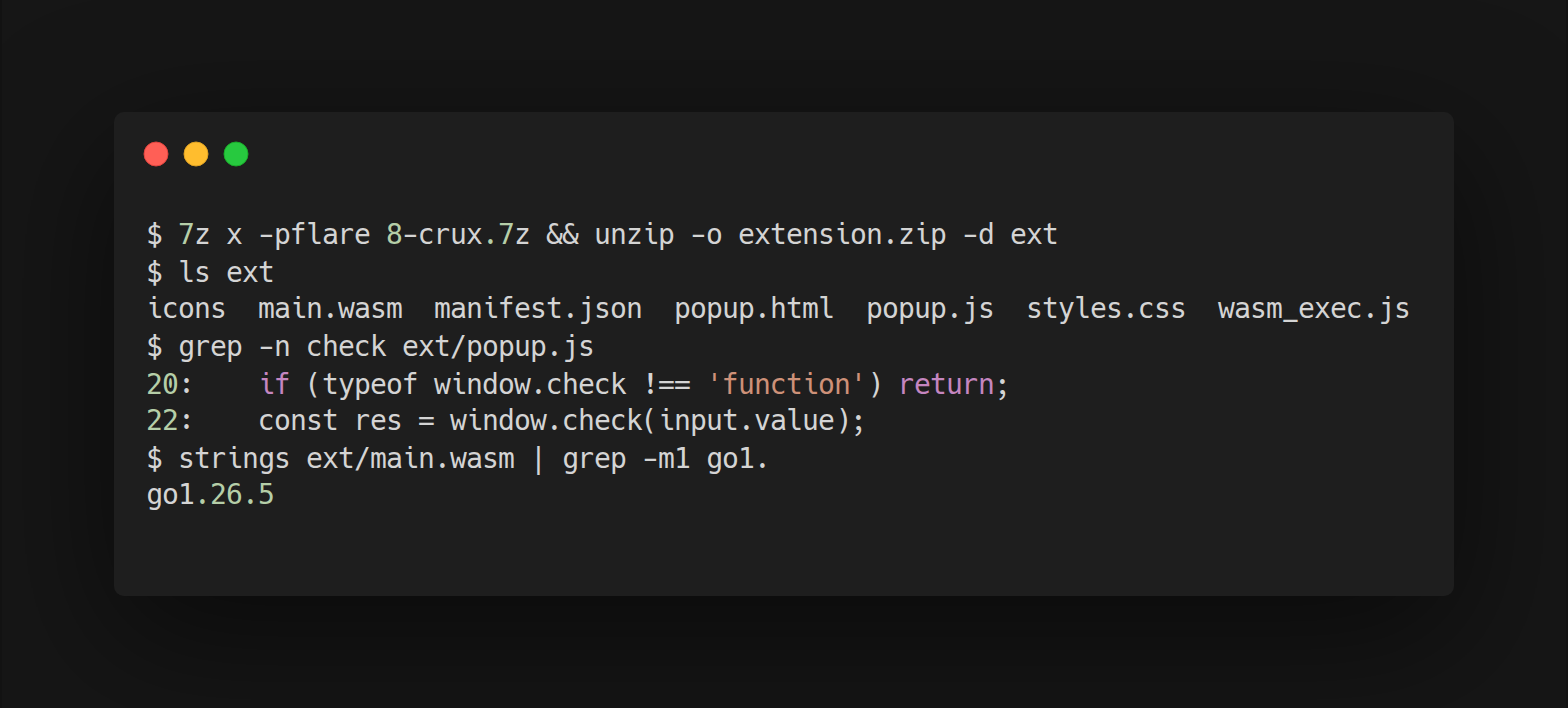
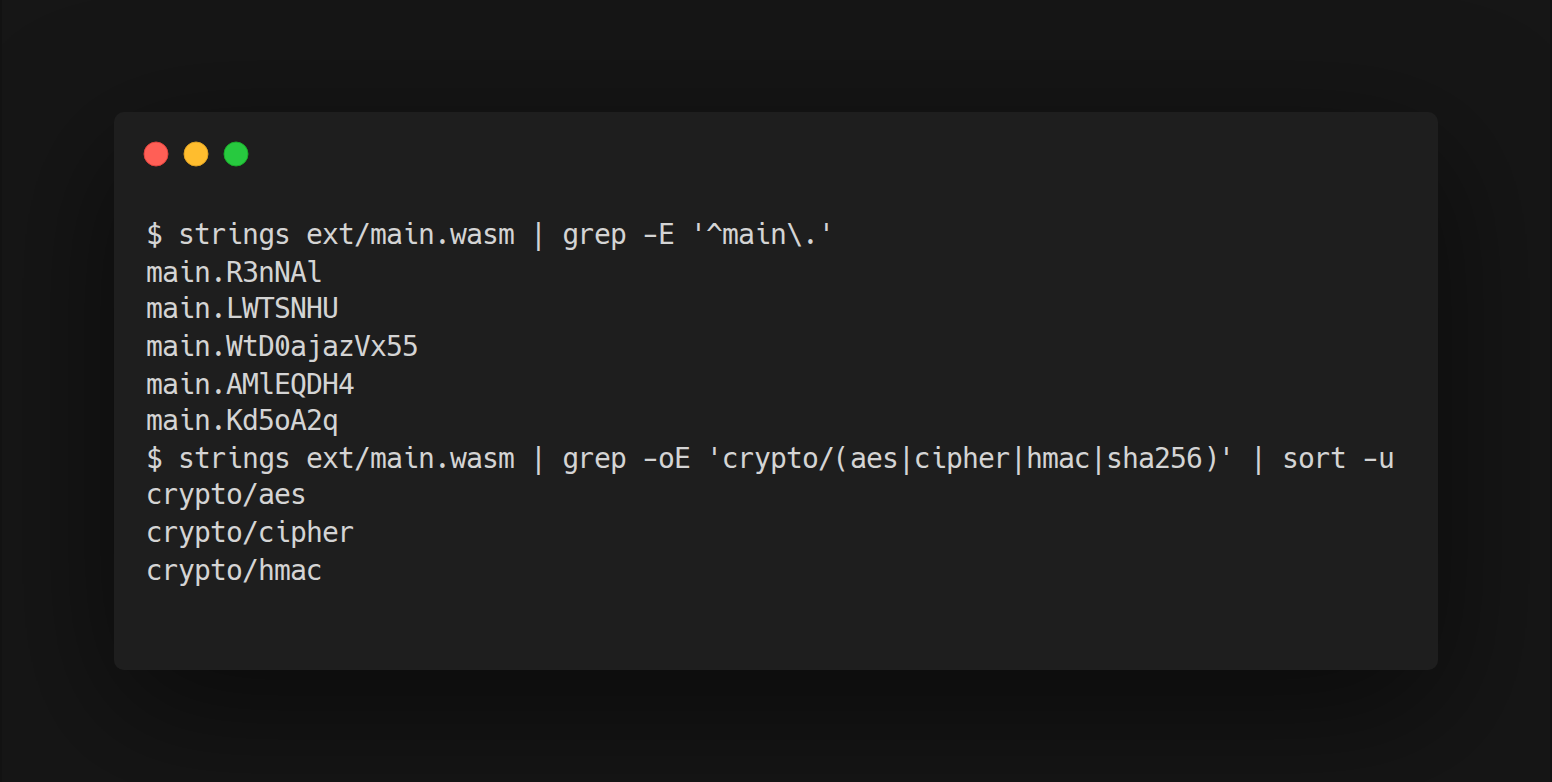
The extension is a Go WASM binary; popup.js calls window.check(input). garble stripped most symbols, but a few main.* names and the crypto/aes|cipher|hmac packages survive.
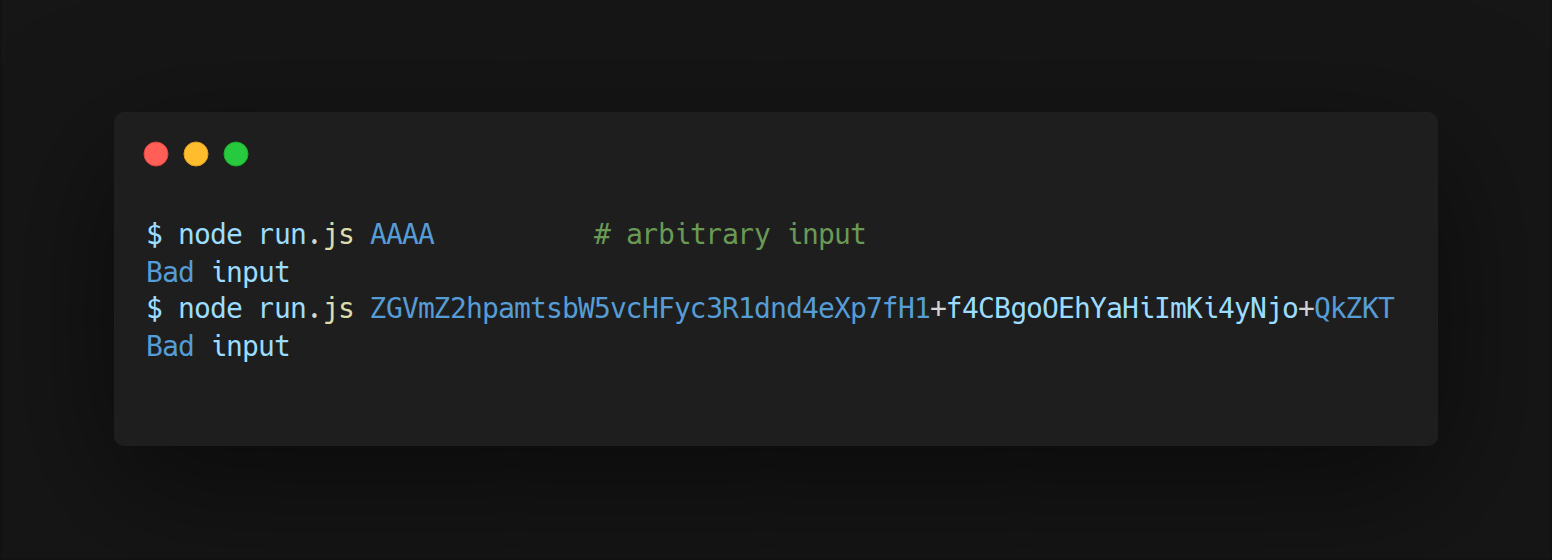
Input is base64. The decoded bytes are AES-256-CBC decrypted with a hardcoded key + IV before anything else, so non-conforming input dies at "Bad input".
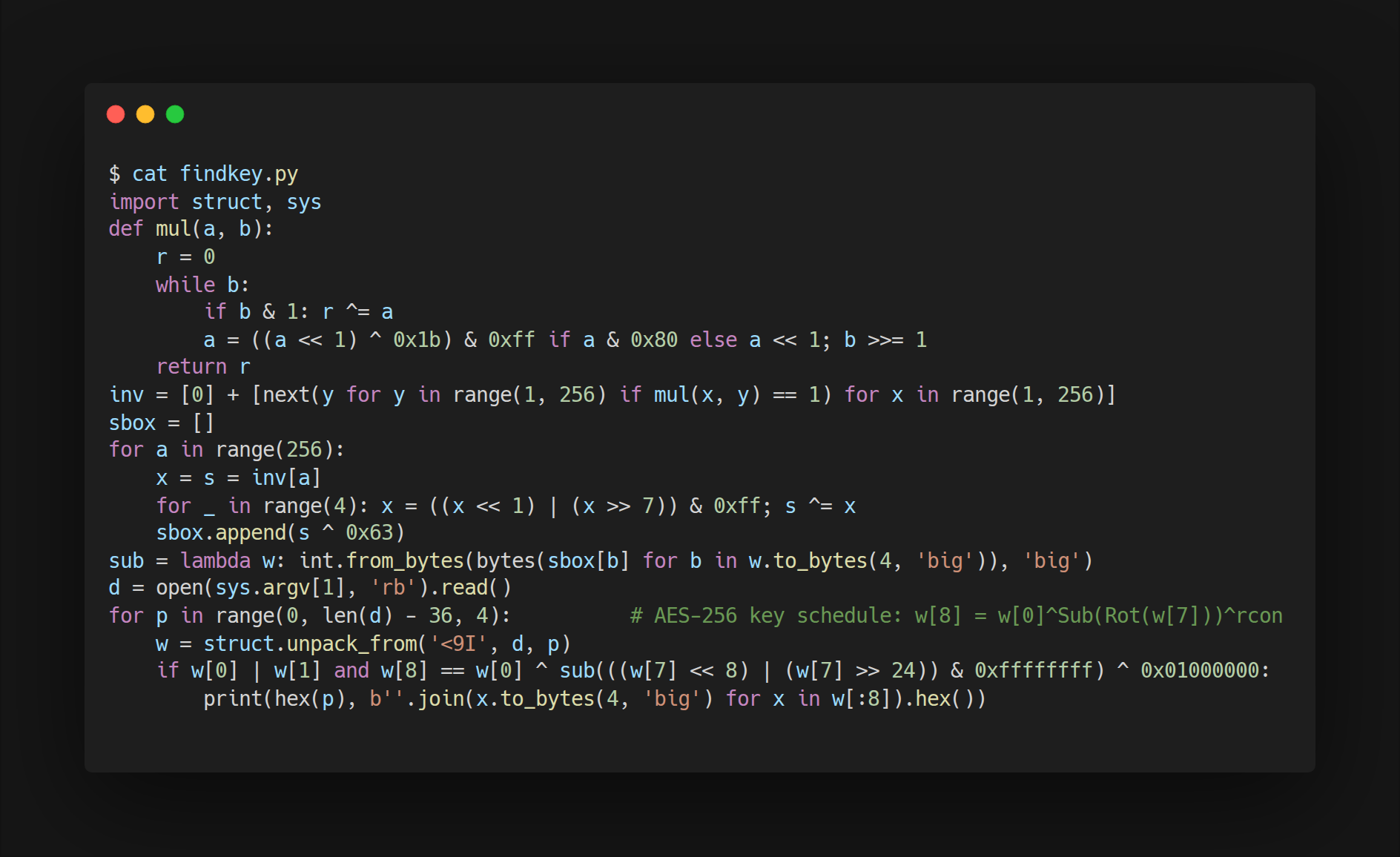
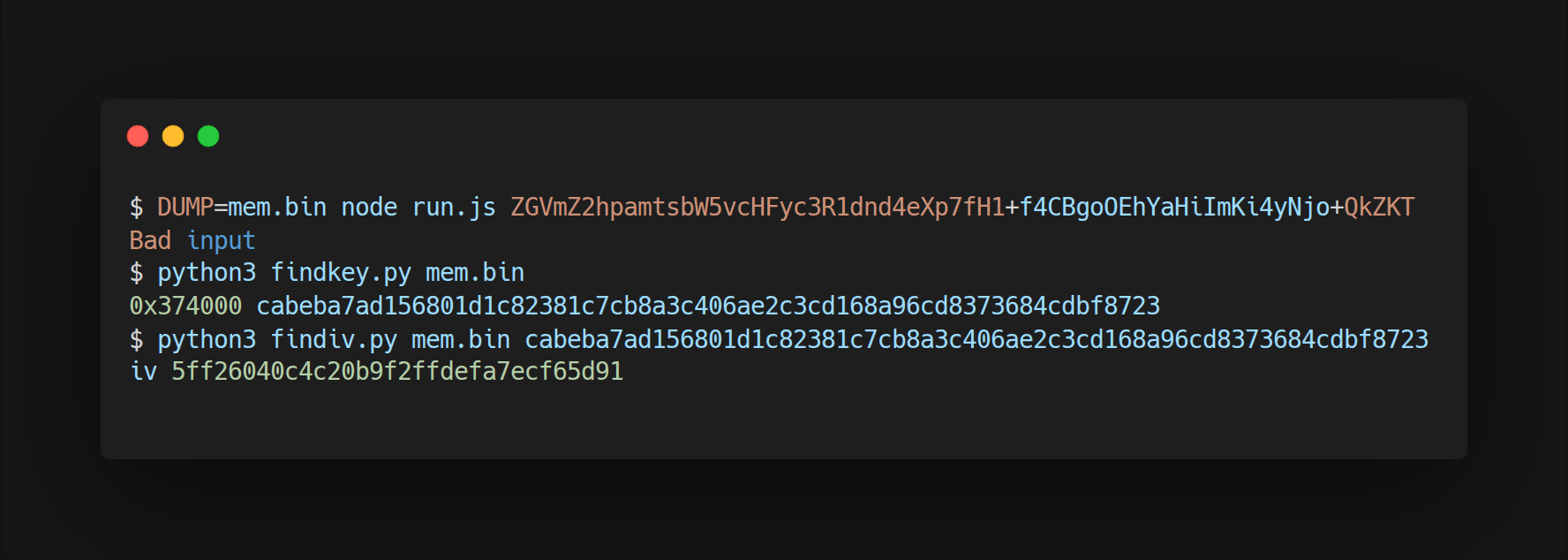
Recover the key from memory: the AES-256 round keys sit expanded in linear memory. Dump mem.bin after a run and scan for a valid schedule (w[8] == w[0] ^ Sub(Rot(w[7])) ^ rcon). Derive the IV from a known plaintext/ciphertext block pair.
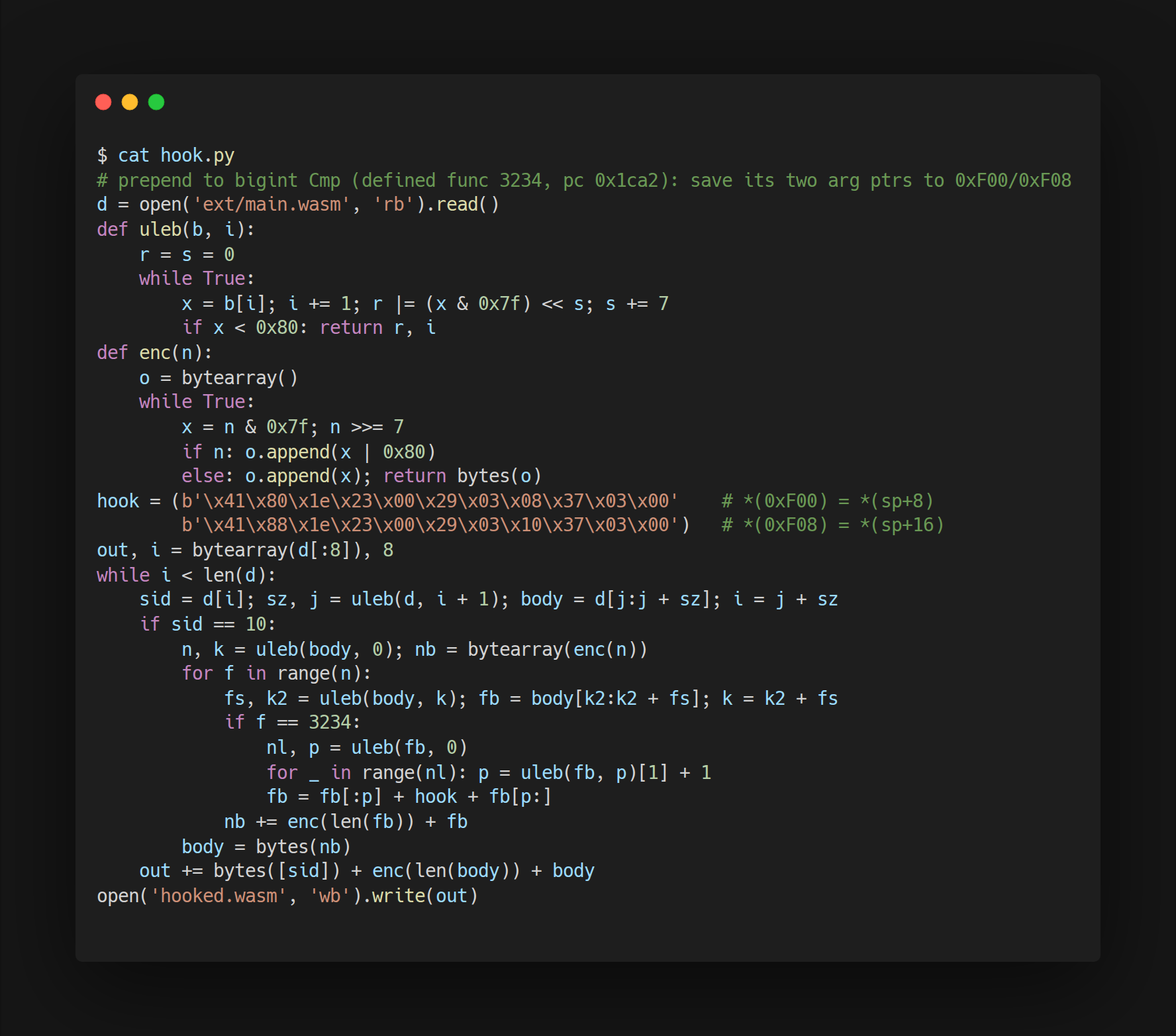
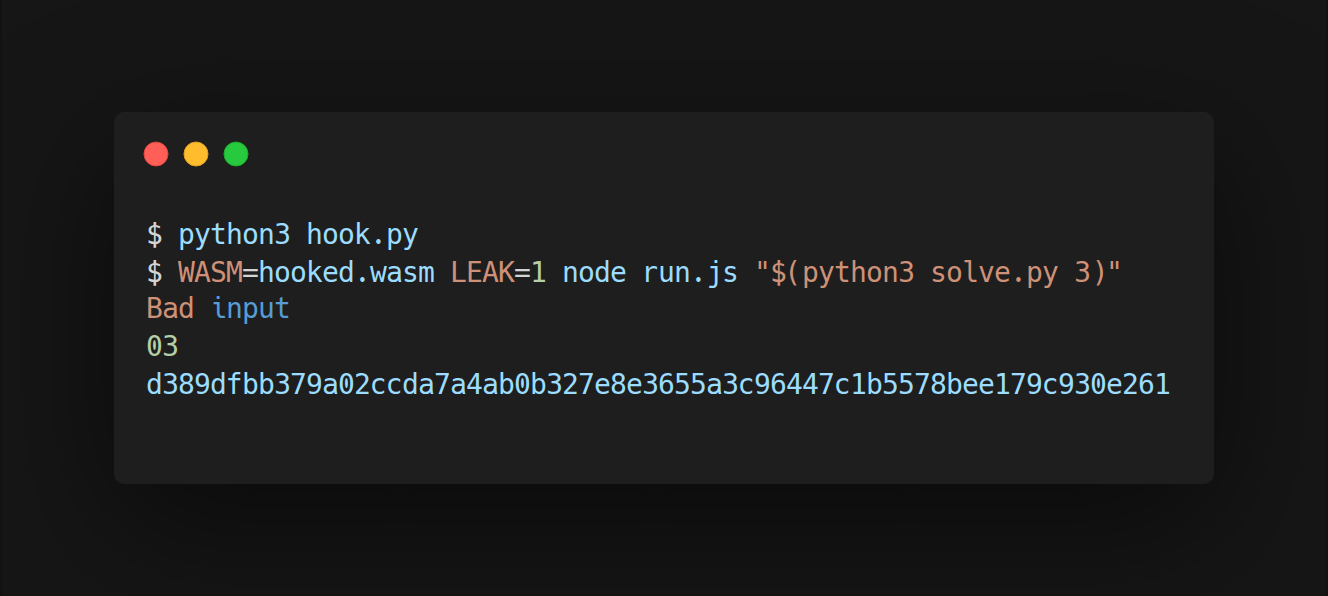
The plaintext is a serialized tree: \x00 = prime 2, \x01 = node [u32 n][n children][bigint A][bigint B] (little-endian). It's validated as a Pratt primality certificate, a node's children are the prime factors of A−1, B is the smallest primitive root of A, and the root prime must equal a fixed N. Leak N by hooking the final big-int compare (func 3234), patch the wasm to save its two operand pointers.
Build the certificate for N, serialize it, AES-CBC encrypt, base64 encode.
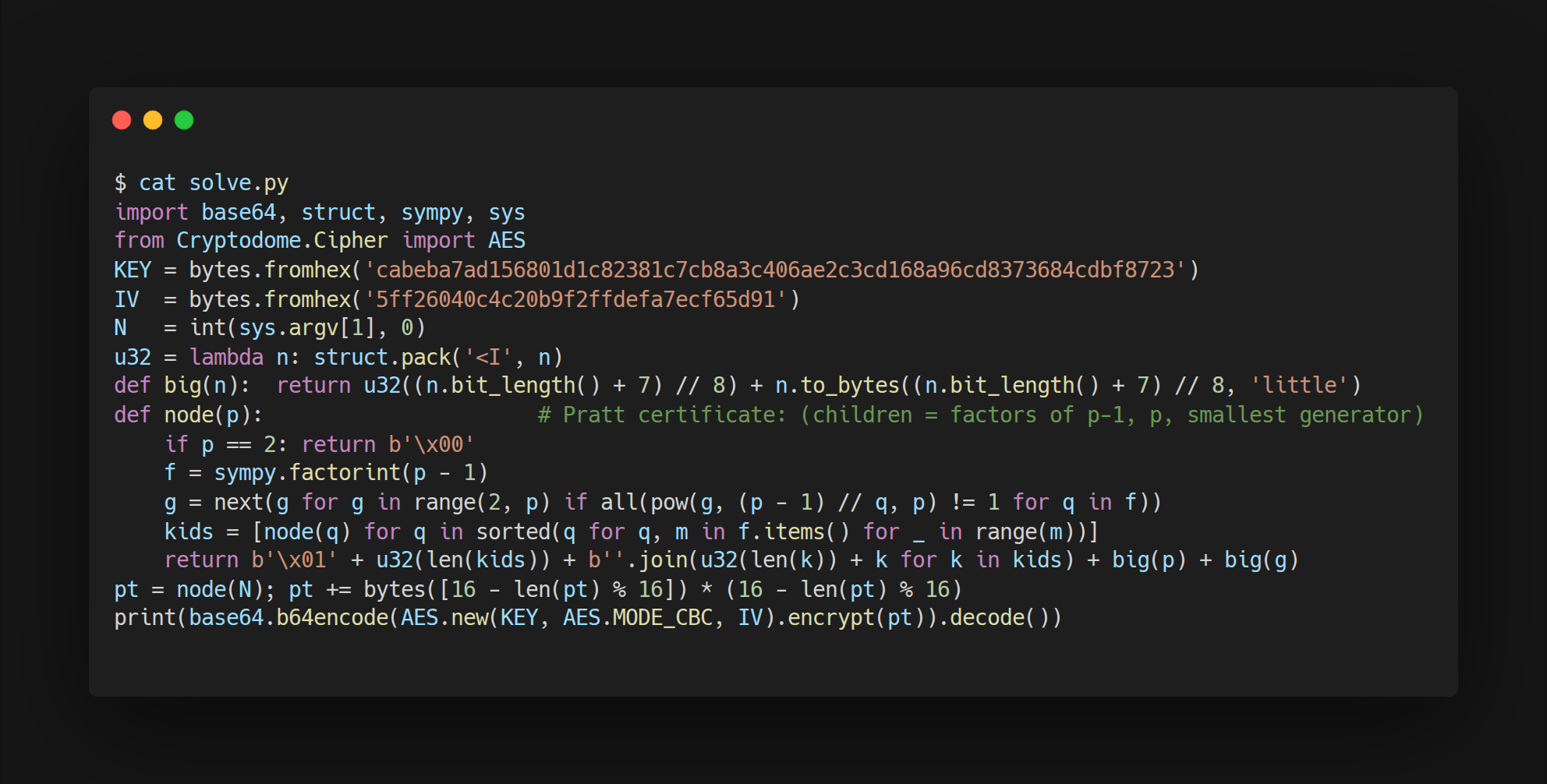
Factor N−1, feed N to solve.py, submit the output.
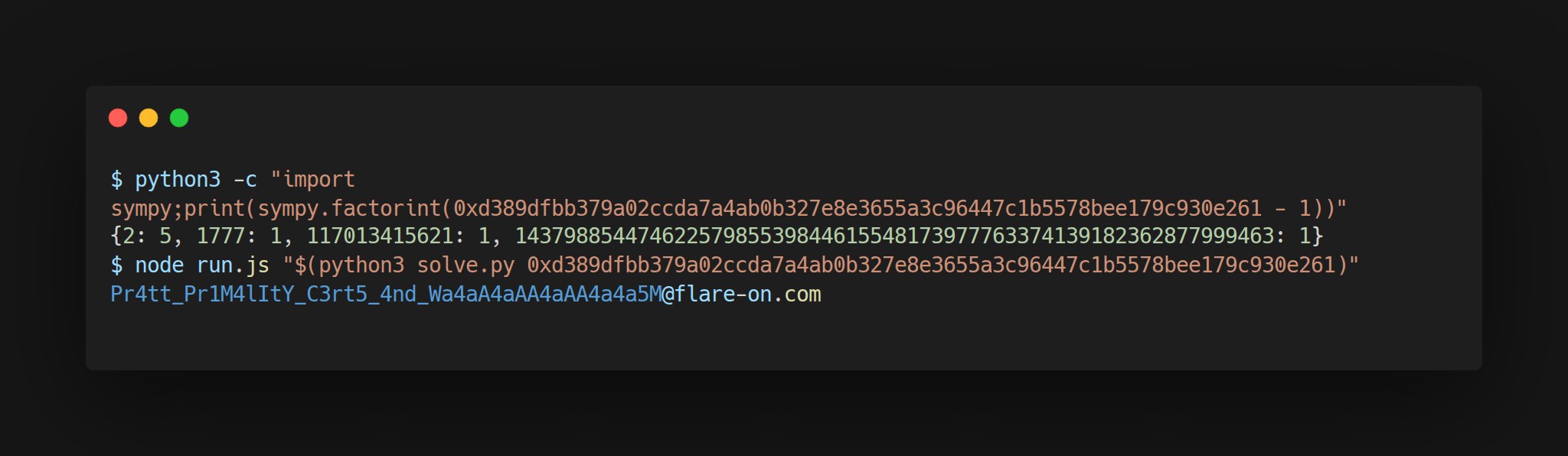
Pr4tt_Pr1M4lItY_C3rt5_4nd_Wa4aA4aAA4aAA4a4a5M@flare-on.com